

You can start hiking after 45, whatever your current fitness or experience. The important thing is to know where you’re at, what the hike will require and what you need to work on before you go.
That might mean improving your fitness, getting comfortable on different terrain or learning how to use your gear. As you prepare and take on more, you get a much clearer idea of what you can handle and what you’re ready for next.
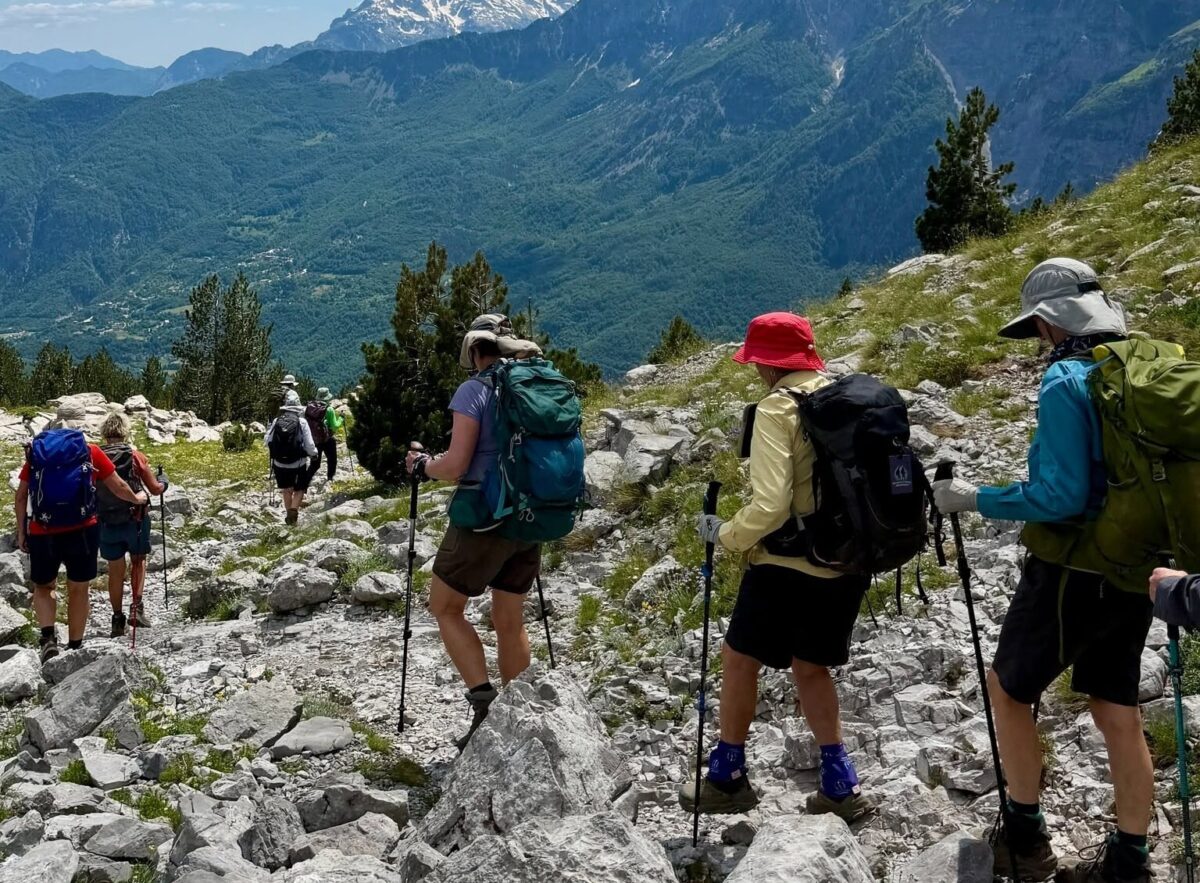
Maybe there’s a hike you’ve always wanted to do, or you simply want to spend more time outdoors and see what you’re capable of.
But if you’re a woman over 45, how fit do you need to be? Where do you even start?
You don’t need to have all of that figured out from day one. You need a starting point, an idea of what the hike will ask of you and enough time to prepare for it.
Can You Start Hiking After 45?
Yes, you can start hiking after 45, even if you haven’t done much hiking before. But you do need to be realistic about where you’re at now and choose a starting point that fits you.
That starting point will be different for everyone.
If you’re new to hiking, start with shorter, easier tracks. If you already walk or exercise regularly, you may be ready for more but still need experience on trails.
If you already hike, you might be working towards longer distances, harder terrain or multi-day adventures.
Start with what you can handle now and pay attention to where you find things difficult. That gives you something useful to work from. As you spend more time on the trail, you’ll understand your fitness and ability better, and you can start preparing for the kind of hiking you want to do.
How Do You Get Fit for Hiking After 45?
Before you start training, you need to know what you’re training for.
A two-hour hike on an easy track will ask something very different of you than a full day in the mountains or several days of hiking back-to-back.
Look at the distance, how long you’ll be on your feet, the terrain, the hills and what you’ll need to carry. Then compare that with what you can comfortably handle now. That will show you where you need to put your training time.
Build Your Walking Endurance
If you’re starting with shorter walks, don’t worry about how far other people are walking. Start with a distance you can manage comfortably and use that as your baseline.
From there, the aim is to get your body used to spending more time on your feet. If you’re going to be walking for several hours, your training needs to prepare you for several hours of walking.
What happens as your walks get longer? Are you still moving comfortably towards the end? Are you tiring much earlier than you expected? How do you feel afterwards? Those things give you a better idea of where your fitness is now and what still needs work.
You don’t have to match the final hike on your first training walk. Give yourself time to build towards it.
Build the Strength You Need for Hiking
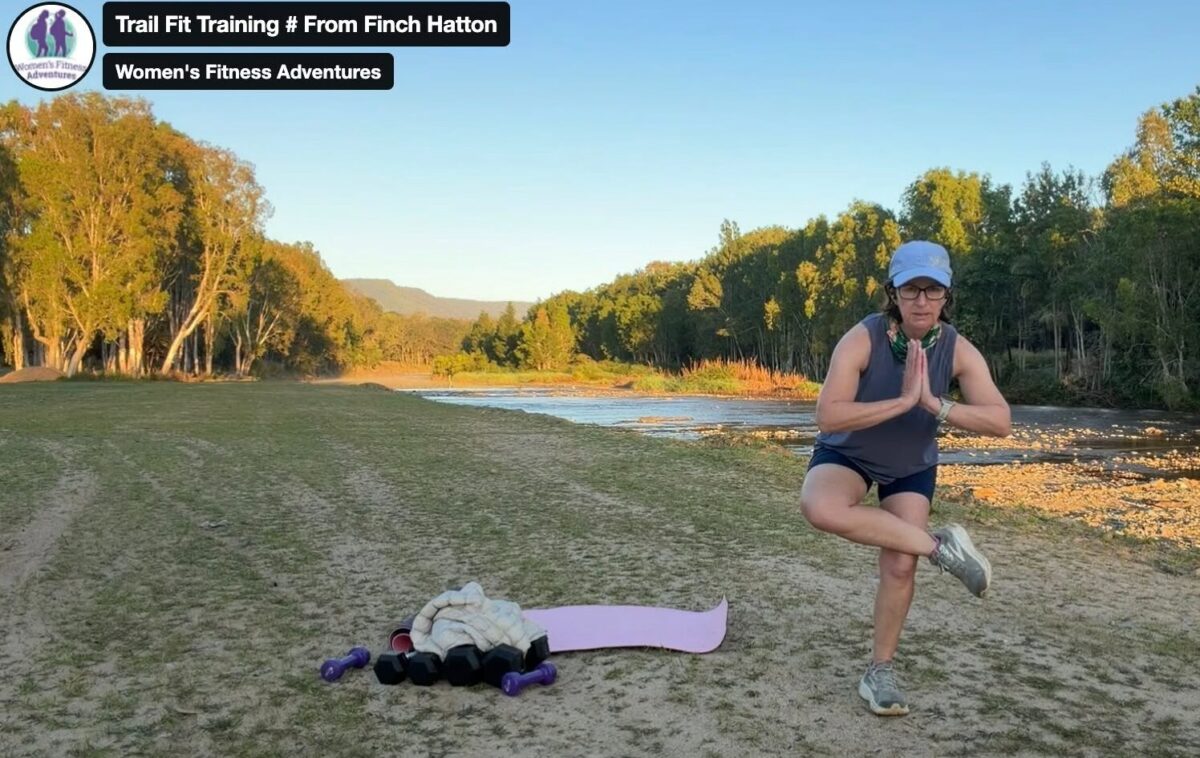
Walking more will help build your endurance, but hiking can ask more of your body than walking on a flat path.
You may be climbing for long periods, stepping up and over things, walking on uneven ground or controlling yourself on a long descent.
This is where strength becomes important. You want your legs and the rest of your body to cope with the work the trail is asking you to do, particularly as the hours add up.
Think about the hike you’re preparing for. Does it have lots of climbing? Long descents? Rough or uneven sections? If those are the things you find difficult now, they’re the things your preparation needs to take into account.
You don’t need to wait until you feel “strong enough” before you hike. Start with trails you can manage and use what you notice out there to help you understand what needs more work.
Train for Hills and Uneven Terrain
If the hike you’re preparing for has hills, include some hills in your training so you can get used to how they feel, both going up and coming back down.
The same goes for the ground under your feet. Walking on a footpath or treadmill is different from walking on rocky, sandy or uneven tracks. Look for opportunities to spend some of your training time on trails.
You don’t have to start with the steepest hill or the roughest track you can find. Choose something you can manage, see how you go and build from there.
You may find the climb is fine but the descent is harder, or that you slow down once the ground becomes uneven.
That’s useful information. It shows you what you need more practice with before you take on a hike where those conditions are part of the day.
Get Used to Carrying Your Pack
The pack you carry is part of the hike, so it should be part of your preparation too. Even a day pack can feel very different after you’ve been walking for a few hours.
Think about what you’ll actually need to carry on the hike including your water, food, extra clothing and other essentials. If you’re doing a longer or multi-day hike, there may be more.
Spend some of your training walks carrying the pack you plan to use. This gives you time to get used to the extra weight and notice any problems before the hike itself.
Is the pack comfortable? Does anything rub? Do the straps need adjusting? Does the added weight make hills noticeably harder?
Look at the distance, how long you’ll be on your feet, the terrain, the hills and what you’ll need to carry. Then compare that with what you can comfortably handle now. That will show you where you need to put your training time.
3 Practical Hiking Tips for the Trail
Some of the most useful things you learn about hiking are the small things that make a difference once you’re out on the trail. They come with experience, but that doesn’t mean you have to learn everything the hard way.
1. Be Bold, Start Cold
It can be tempting to put on another layer while you’re standing around before a hike, especially on a cold morning. But once you get moving, you may warm up quickly.
We call this “Be bold, start cold.”
One of our members remembered this on a cold, windy morning and left her jacket off. Once she was walking at a good pace, she soon warmed up and was glad she hadn’t added the extra layer.
2. Don’t Stop as Soon as a Hill Feels Hard
The first few minutes of a climb can feel tough while your body adjusts to the extra effort. Your breathing and oxygen use take a little time to catch up with what your muscles are asking for, so that early tiredness doesn’t always mean you can’t manage the hill.
Instead of stopping straight away, ease your pace and give yourself a chance to settle into the climb. You may find a rhythm and feel more comfortable as you keep going.
3. Practise the Things That Make You Hesitate
If there’s something on the trail that makes you stop and think twice – like stepping down from a rock or getting across a creek – make a note of it. Those are things you can practise.
Find opportunities to practise that movement away from the pressure of a bigger hike. The more familiar it becomes, the less daunting it can feel when you come across it on the trail.
The Gear You Need for Hiking
You don’t need every piece of hiking gear you see. Some things are essential, some are useful, and some you may not need at all.
Get the basics right first. And whatever you take with you, make sure you know how to use it before you’re relying on it out on the trail.
Hiking Shoes or Boots That Fit Properly
You can hike in either hiking boots or trail shoes. Boots can give you more ankle stability on rocky and uneven ground, but the important thing is having footwear that fits properly and suits the hiking you’ll be doing.
Once you’ve chosen your footwear, use it in your training. Don’t save a new pair for the big hike. Walking in the same shoes or boots beforehand gives you time to get used to them and find out how they feel over longer distances.
Hiking Socks
Your everyday socks aren’t necessarily the best socks for hiking. Start with your feet. Do they tend to get hot and sweaty, stay cold or rub easily? That will help you work out what type of hiking sock suits you.
Try one pair before buying several. You may also find you need different thicknesses for different weather or different hikes.
And leave the cotton sports socks at home. Once they get wet, they tend to stay wet, which isn’t what you want inside your hiking shoes or boots.
Clothing and Layers for the Conditions
Choose clothing made for hiking rather than simply wearing whatever you normally exercise in. You want clothes that are comfortable to move in and that dry quickly if you get wet or sweaty.
Layers give you more options as the day changes. You can take something off when you warm up, add warmth when you stop or the temperature drops, and have a waterproof layer ready if the weather turns.
Avoid cotton for your main hiking clothes. It holds onto moisture and is slow to dry, which can leave you cold and uncomfortable once it gets wet.
A Backpack That Suits Your Body
A day hike usually means a smaller pack, while longer hikes may mean carrying more. Whatever the size, what matters is how the pack feels once it’s loaded.
The weight shouldn’t feel like it’s all hanging from your shoulders. When the pack is adjusted properly, much of the load should sit around your hips.
Try a backpack with some weight in it when you’re choosing one. An empty pack won’t tell you much about how it will feel once you’ve added your water, food, clothing and other gear.
Learn what the different straps do and adjust them to your body. How the pack sits and carries the weight matters when you’ll be wearing it for hours.
Water and Food
Carry enough water for the day and make sure you can get to it easily while you’re walking. We’re big fans of hydration bladders because you can take small sips as you go without having to stop and get a bottle out of your pack.
On many of our adventures, women carry at least 2–3 litres of water for the day, along with their lunch and snacks. How much you’ll need will depend on the hike and the conditions.
Don’t wait until you’re thirsty to have a drink. Get into the habit of drinking as you walk.
Hiking Poles
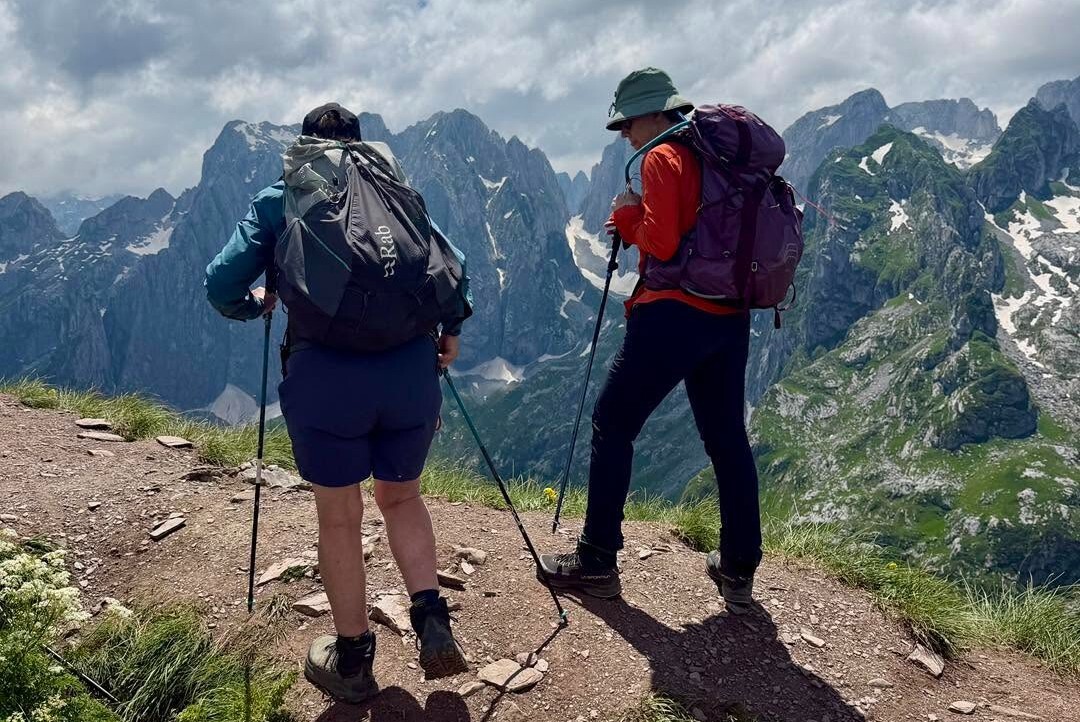
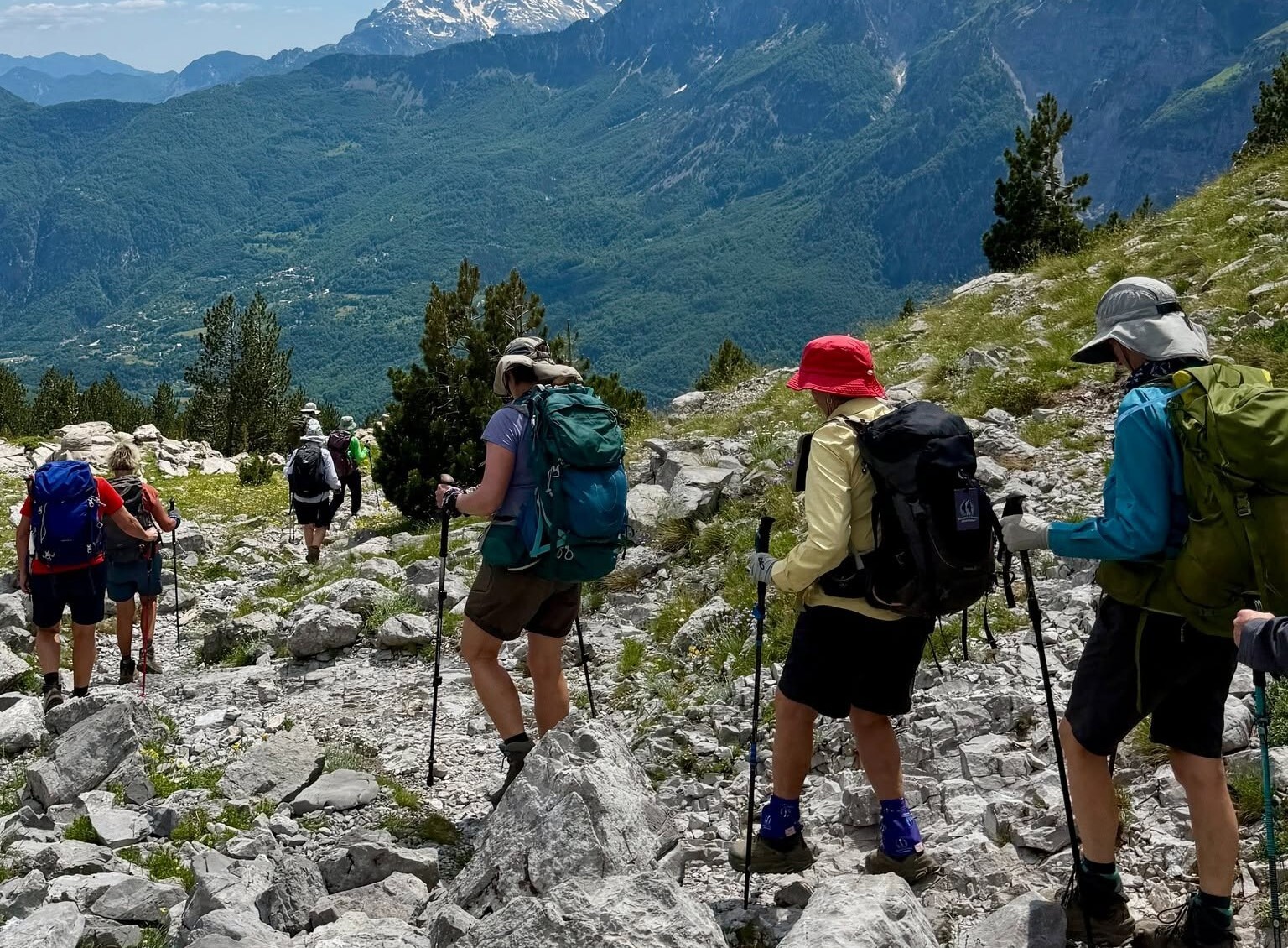
Hiking poles are optional, but they can be very useful. They can give you extra support and balance on different terrain and help you find a steady rhythm as you walk.
Adjust them to your height and the terrain rather than leaving them at one setting for the whole hike.
If you’re buying poles, look for a pair that’s the right length for you, lightweight and easy to fold or collapse when you’re not using them.
And like any piece of hiking gear, learn how to use them before the hike where you’ll need them.
Navigation and Safety Essentials
Know where you’re going before you set off and have a way to find your way if you get off track. Take a charged phone, your personal first aid and any medications you need.
If you’re heading somewhere more remote, don’t rely on having mobile reception. Find out what you’ll need to navigate and communicate if there’s no phone signal.
And always let someone know where you’re going and when you expect to be back.
How To Build Confidence for Bigger Hiking Adventures
You don’t have to feel completely confident before you take on something new. Confidence comes after you’ve done something and realised you could handle it.
Start With Something You Can Do
You may be new to hiking, but that doesn’t mean you’re starting with nothing. Think about the other things you already do or have done.
Maybe you walk regularly, use the treadmill, swim, cycle, go to the gym or have taken part in longer events. What did those experiences show you about your fitness and what you can manage?
Use what you already know about yourself as a starting point. As you spend more time hiking, you’ll have trail experience to add to it.
Focus on Your Own Progress
There will always be someone who walks faster, finds the hills easier or has been hiking longer than you. Don’t use them to decide how well you’re doing.
Look at your own progress instead. Can you walk further than you could before? Are the hills getting easier? Are you more comfortable when you’re out on the trail?
You don’t have to be the fastest or strongest in the group. What matters is that you’re improving and working towards what you want to do next.
Take on a Little More
You don’t have to make a huge jump to find out you’re capable of more. Take on something that challenges you a little beyond what you already know you can do.
See how you go. You may find you handle it better than you expected, and that gives you something real to draw on when you’re considering your next challenge.
Get Support When You Need It
You don’t have to work everything out on your own. If you’re trying something new or you’re not sure whether you’re ready, having someone with more experience around can help.
They can answer questions, show you what to do and help you understand what to expect. Over time, you’ll need less help because you’ll have more experience of your own to draw on.
How To Progress From Short Walks to Multi-Day Hiking Adventures
A multi-day hike asks you to do more than complete one long walk. You need to be able to spend longer on the trail and then get up and do it again the next day.
Getting there means giving yourself experience with longer, more challenging days before you put several of them together.
Spend Longer on the Trail
Once shorter hikes are feeling comfortable, try a longer hike. If you’re used to being out for two hours, for example, your next step might be a hike that keeps you on your feet for three or four.
Longer hikes let you find out how your energy holds up as the hours add up and whether anything starts to become uncomfortable or difficult.
Once you’re comfortable with the time and distance, look for hikes that give you a little more to deal with.
That doesn’t always mean going further. A hike can be more challenging because of the climbs, terrain or conditions, so use the experience you’ve already gained to decide when you’re ready to step it up.
Build Up to Full-Day Hikes
Before you take on several days of hiking, get some experience with what a full day on the trail feels like.
You’ll be walking for longer, carrying what you need for the day and managing your energy from the first few hours through to the end. It also gives you a chance to see how your body feels after a longer day and how well you recover afterwards.
That experience becomes important when the next step is getting up and hiking again the following day.
Hike on Back-to-Back Days
If you’re preparing for a multi-day adventure, include some back-to-back hiking days in your preparation. A long hike on Saturday tells you how you handle one big day. Hiking again on Sunday tells you how you handle the next one.
You may feel more tired or stiff when you start the second day, and that’s useful to know before your adventure. It also gives you experience with recovering, getting up the next morning and doing it all again.
Why Does Hiking With Other Women Make Such a Difference?
Finding people who want to do the same things as you isn’t always easy, particularly as you get older. When it comes to hiking, who you do it with can be just as important as where you go.
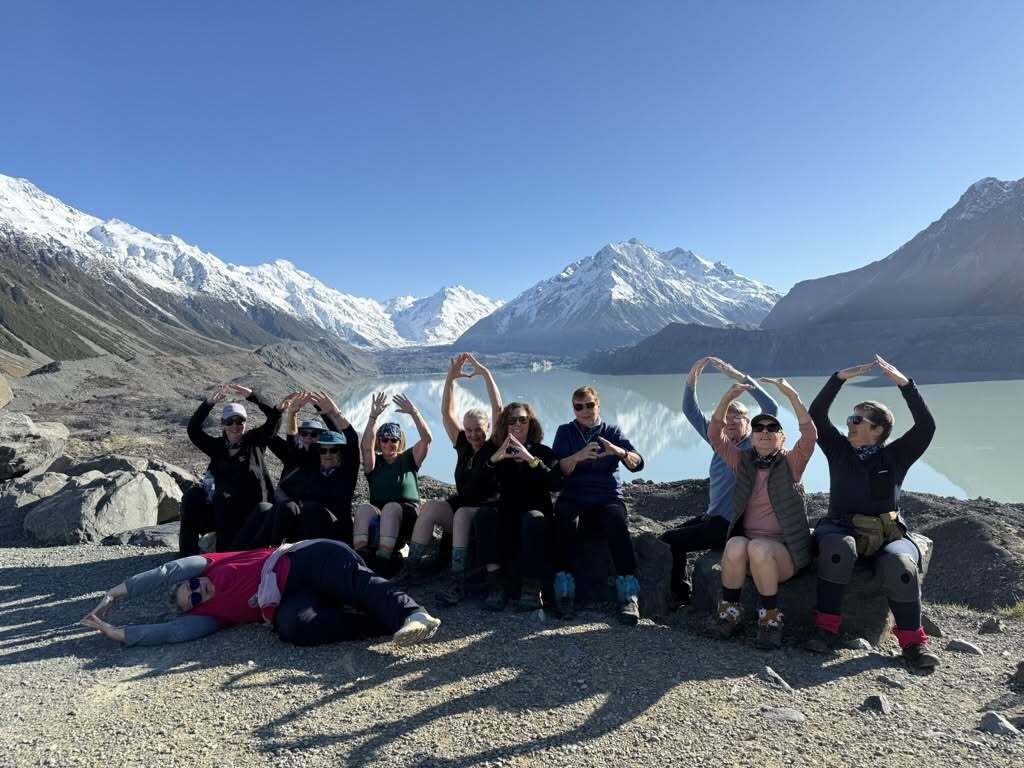
Be Around Women Who Want the Same Things
You might want to hike more, travel or take on bigger adventures, but the people already in your life may not want to do those things.
When you meet women who do, you already have something in common. You have people who are interested in getting out there and doing the things you want to do too.
Have Support Around You
When you’re hiking with other women, you don’t have to work everything out on your own. There are people around you to ask questions, share what they know and help when something is unfamiliar.
And as you gain more experience, you’ll find yourself doing the same for someone else.
Learn From Each Other
Everyone brings different experiences to a hike. Someone may know a useful way to handle a tricky section, have used a piece of gear you’re considering or simply have been in a similar situation before.
Over time, you pick things up from each other. And there will be things you can share from your own experience too.
Make Friendships Along the Way
When you spend hours walking together, you have plenty of time to talk and get to know each
other. And when you keep turning up for hikes and adventures, you often see the same women again.
That’s how friendships can grow naturally. You’re not there trying to make friends. You’re there to hike, and the friendships can come with it.
And those friendships don’t have to end when the hike does. You may find women you want to hike, travel and have other adventures with in the future.
How We Teach, Train and Take You on Adventures
You don’t need to know everything about hiking or already be ready for a big adventure when you join Women’s Fitness Adventures. We help you learn what you need to know, train for what you want to do and then get out there and do it.
- Teach: Learn about your gear, hiking skills and what you need to know before you head out on the trail.
- Train: Build the fitness you need for the adventure you’re working towards, so you’re prepared for what the hike will ask of you.
- Take: Join us on hikes and adventures where you can use what you’ve learned and trained for, with experienced leaders and other women around you.
You can start from where you are now. As you learn, train and spend more time hiking, you can work towards bigger adventures and discover just how much more you’re capable of.
Want to do more hiking and adventures with other women?
Join Women’s Fitness Adventures and start working towards the adventures you want to do.